Why Do Traditional Korean Houses Have Walls Around Them?
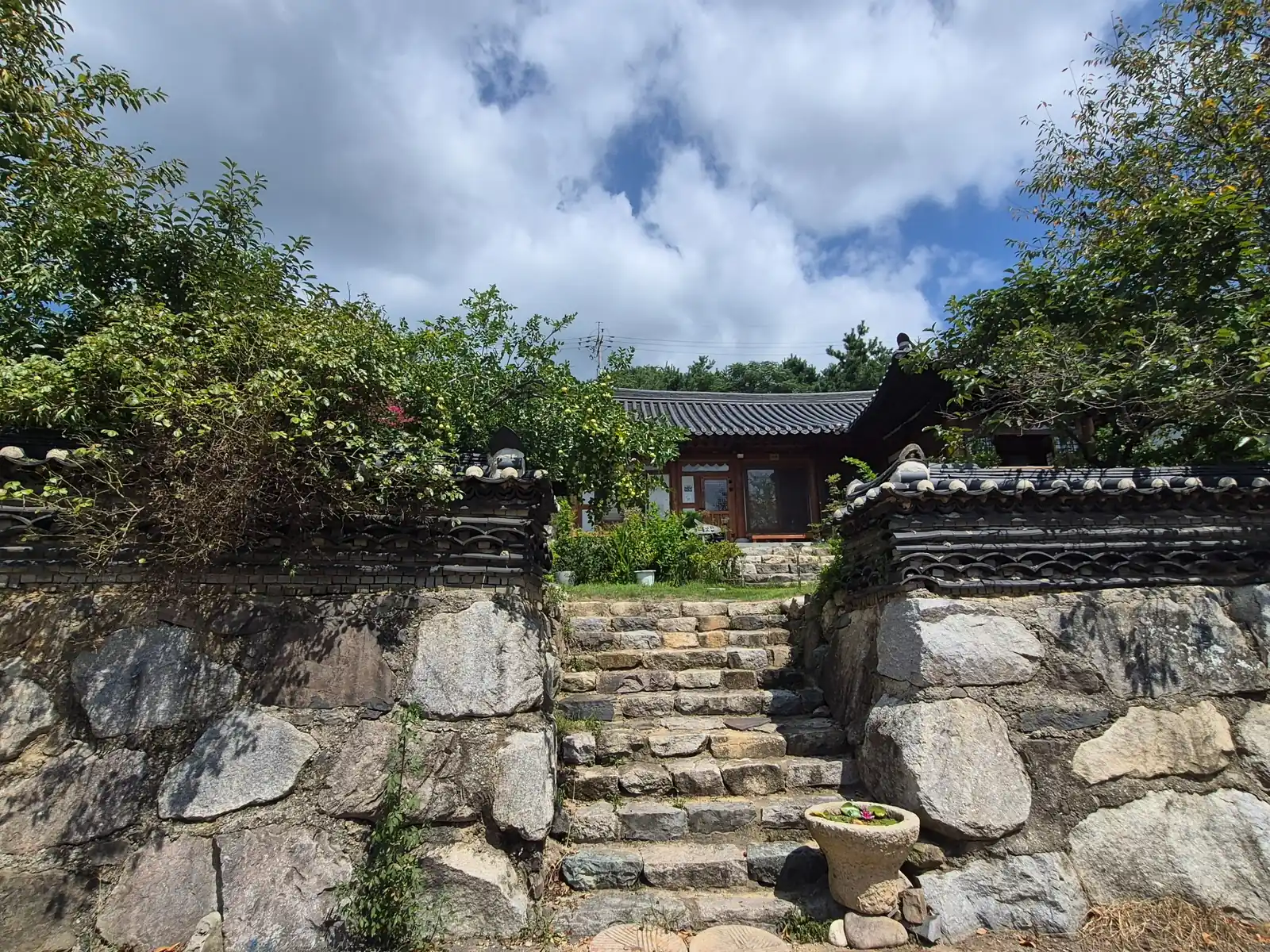
Traditional Korean hanok house behind a stone wall and stone steps in rural Korea

When people first notice a traditional Korean house, or hanok, their eyes usually go to the roof. The dark gray tiles, curved rooflines, wooden columns, and wide eaves are some of the most recognizable features of traditional Korean architecture. But when I walk through rural areas of Korea, there is another feature that often catches … 더 읽기
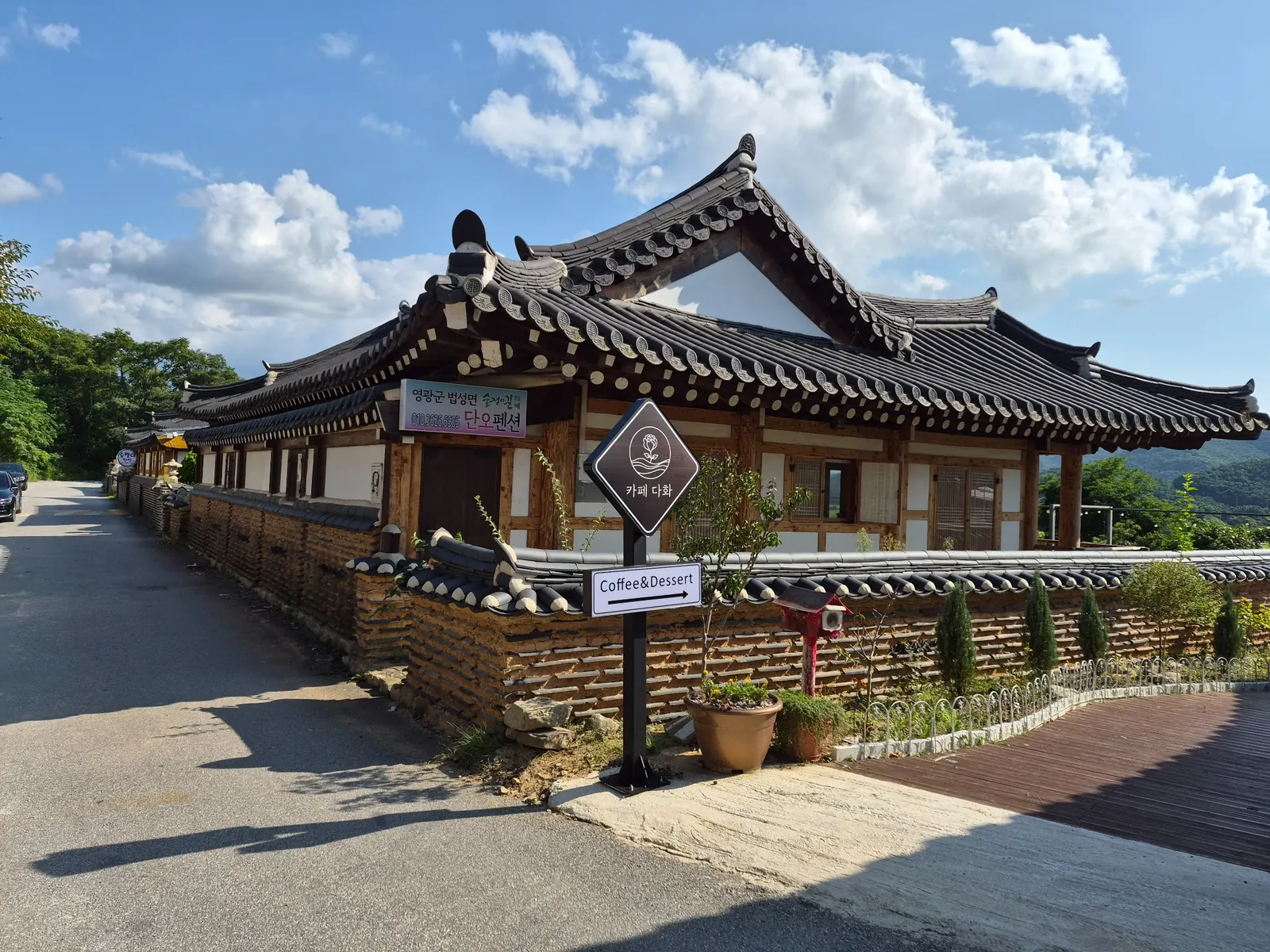
A Hanok Cafe in Rural Korea: Cafe Dahwa in Yeonggwang

Cafe Dahwa in a traditional hanok setting in Yeonggwang, South Korea

When people imagine cafes in South Korea, they may picture modern buildings in Seoul, crowded streets, and stylish interiors. But travel into the Korean countryside, and you can find something very different. In Beopseong-myeon, Yeonggwang, there is a small area where hanok-style buildings sit together along a quiet rural road. Some are used as accommodations, … 더 읽기