Lately, the weather in rural Korea has become noticeably cooler.
As the days get chillier, I find myself going out less often and spending more time at home.
Living in the countryside is peaceful, but sometimes it can feel a little boring when there’s nowhere in particular to go.
That’s when I usually turn to Netflix.
Not long ago, I wrote about Doctor X, a Korean medical drama that made me think about doctors, patients, and the realities of healthcare in Korea.
This time, I’ve started watching something completely different.
It’s a Korean historical drama called 100 Days of Deception, or 100일의 거짓말 in Korean.
I’ve only watched the first four episodes so far, but this drama has already given me a lot to think about.
Kim You-jung Is Simply Beautiful
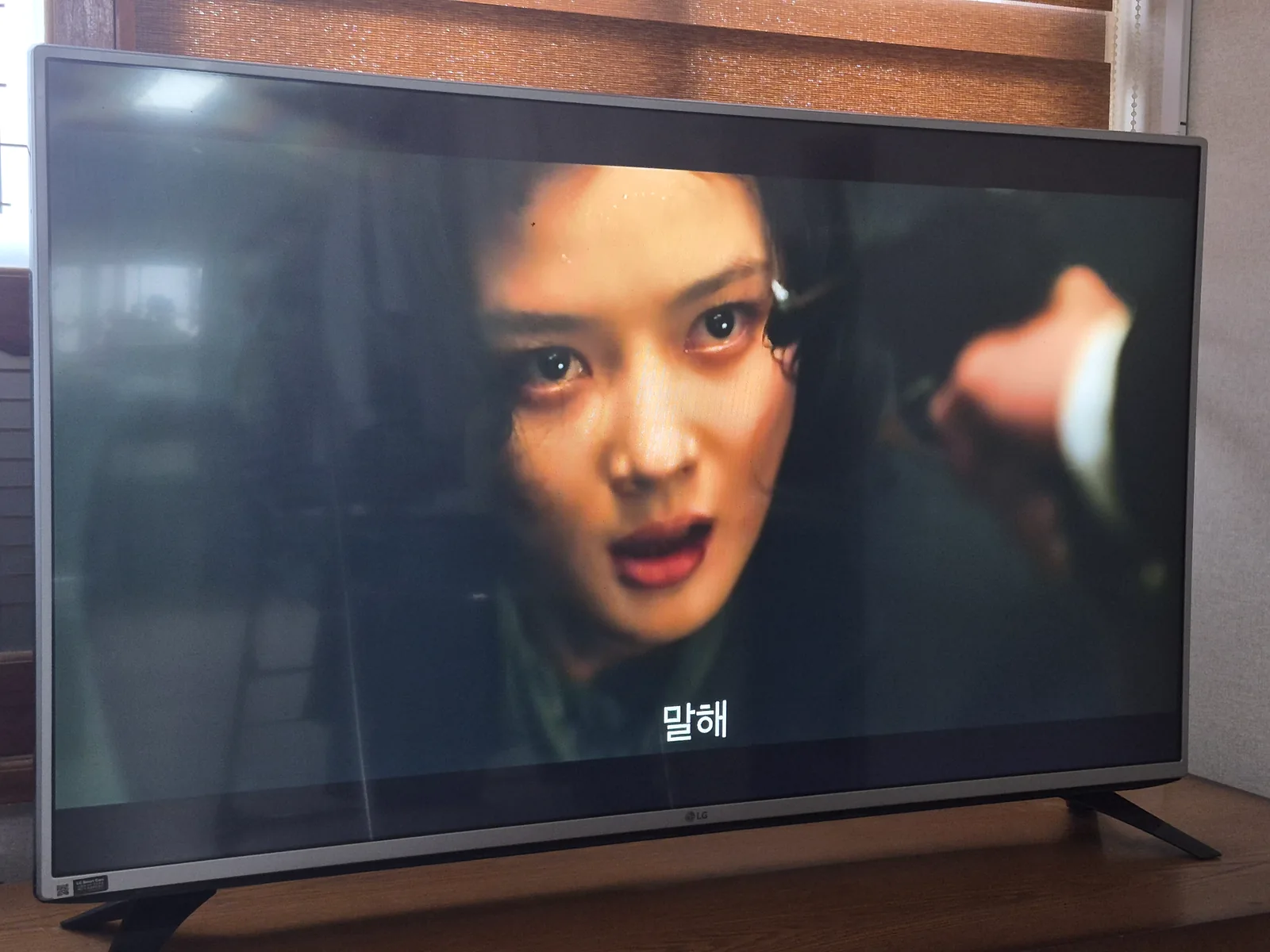
The first thing that caught my attention was Kim You-jung.
I have to say, she is such a beautiful actress.
While watching the drama, I found myself admiring her appearance more than once.
But she isn’t just beautiful. She’s also a talented actress who knows how to bring a character to life.
In 100 Days of Deception, she plays Lee Ga-gyeong, a skilled pickpocket living in Gyeongseong during the Japanese colonial period.
Ga-gyeong originally hopes to escape her difficult circumstances and start a new life in America.
However, she becomes involved with Korean independence activists and takes on a dangerous undercover mission.
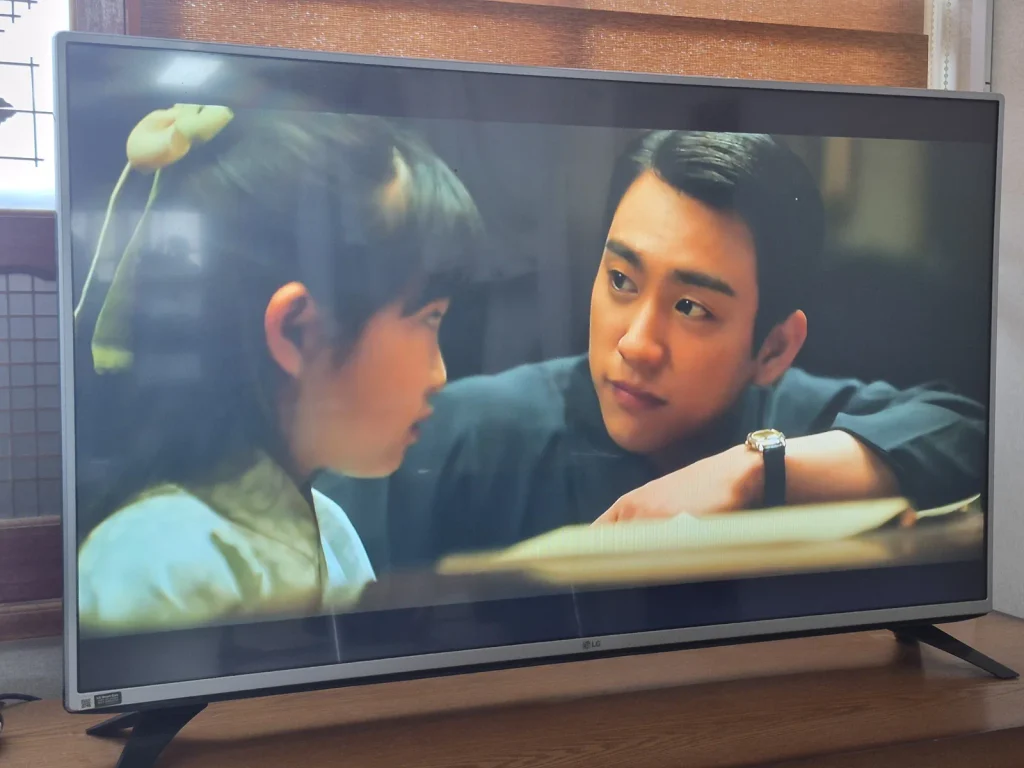
Park Jin-young plays another important character, an interpreter named Sato Hideo, also known as Kim Tae-woong.
The story combines secrets, romance, and the struggle for Korean independence.
At first, I was simply enjoying the actors and the story.
But as I continued watching, I began thinking about the real people who lived during that difficult time.
Jin Sun-kyu, Another Actor I Really Like
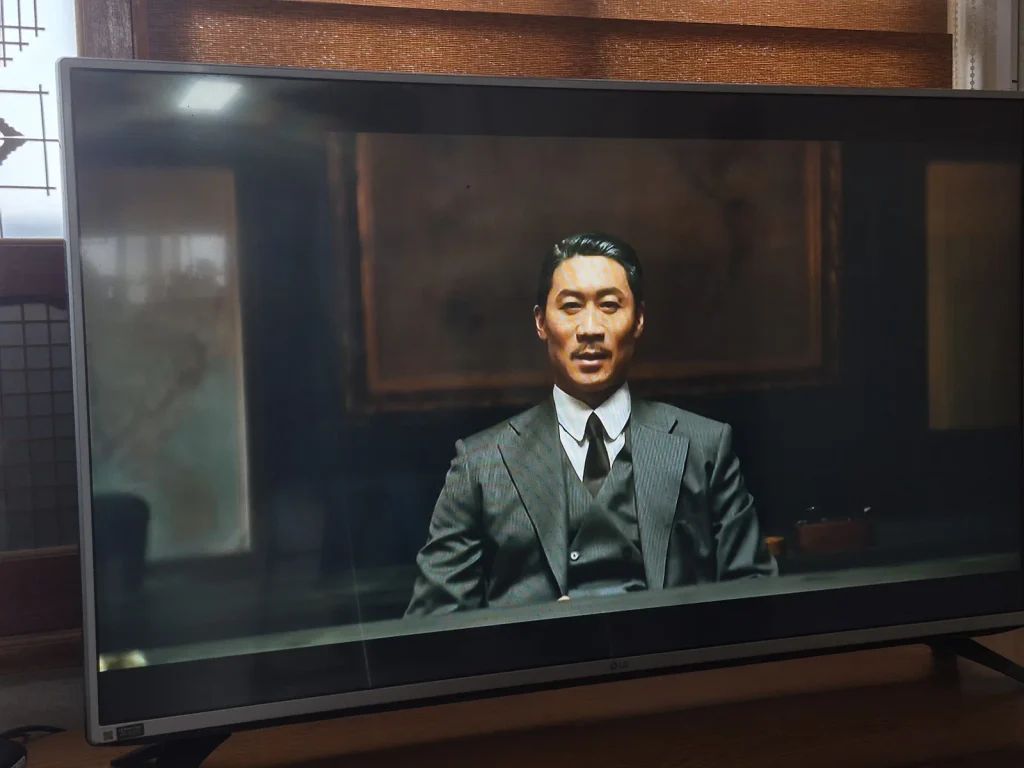
Another actor I am happy to see in this drama is Jin Sun-kyu.
I really like him as an actor, so his appearance is another reason for me to keep watching.
He plays Sato Shinichi, a powerful official of the Japanese colonial government in the story.
It is not a character I am meant to admire, but I find it interesting to watch an actor I like take on such an intimidating role.
Jin Sun-kyu has also appeared in The Outlaws, Extreme Job, and Through the Darkness.
His roles in those productions are quite different, which makes me interested in how he approaches this character.
I’ve only seen the first four episodes, so I’m curious about how his character will affect the story from here.
The Young People Who Fought for Korea’s Independence
One thing that stayed with me was the thought of how young many independence activists were.
Today, when we talk about people who fought for Korea’s independence, we often remember them as great historical figures.
But they were also ordinary people with their own lives, families, dreams, and fears.
Some were still teenagers or in their early twenties when they took part in the independence movement.
For example, Yu Gwan-sun was only 16 when she participated in independence demonstrations in 1919.
Yun Bong-gil was just 23 when he carried out his famous act of resistance in Shanghai in 1932.
Thinking about their ages makes their decisions feel even more extraordinary.
When I imagine someone so young facing such danger, I feel a lump in my throat.
They must have understood that their actions could cost them their freedom or even their lives.
Of course, I cannot know exactly what each person felt.
But I find myself wondering how frightening those moments must have been.
Courage Doesn’t Mean Having No Fear
This is the thought that affected me most while watching the drama.
When we remember independence activists, we naturally think about their courage.
But courage doesn’t necessarily mean being fearless.
Perhaps some of them were terribly afraid.
Perhaps they worried about their families, their futures, and whether they would ever return home.
And yet, they chose to take action for something they believed was greater than themselves.
I find that deeply moving.
It is easy to admire someone’s bravery when we already know the outcome of history.
But for the people living through those events, the future was uncertain.
They couldn’t know when Korea would regain its independence.
Thinking about that makes me appreciate their choices even more.
Were the Drama Characters Inspired by Real Independence Activists?
As I watched the first four episodes, another question came to mind.
Could any of these characters have been inspired by people who actually participated in Korea’s independence movement?
The drama tells a fictional story, and I don’t want to assume that its characters represent particular historical figures.
Still, imagining the real people behind that period made the story more meaningful to me.
The secret missions, the danger of being discovered, and the difficult choices facing the characters reminded me that real independence activists also had to make decisions under enormous pressure.
I found myself watching more closely, wondering what life might really have been like for the people who lived through those years.
That made the drama even more absorbing.
Understanding the History Behind the Story
For international viewers, a little historical background may help.
100 Days of Deception takes place in Gyeongseong, the name used for present-day Seoul during Japanese colonial rule.
Korea was under Japanese colonial rule from 1910 until liberation in 1945.
During those years, many Koreans struggled to preserve their identity and worked toward independence.
Some participated in public demonstrations, while others supported underground resistance activities.
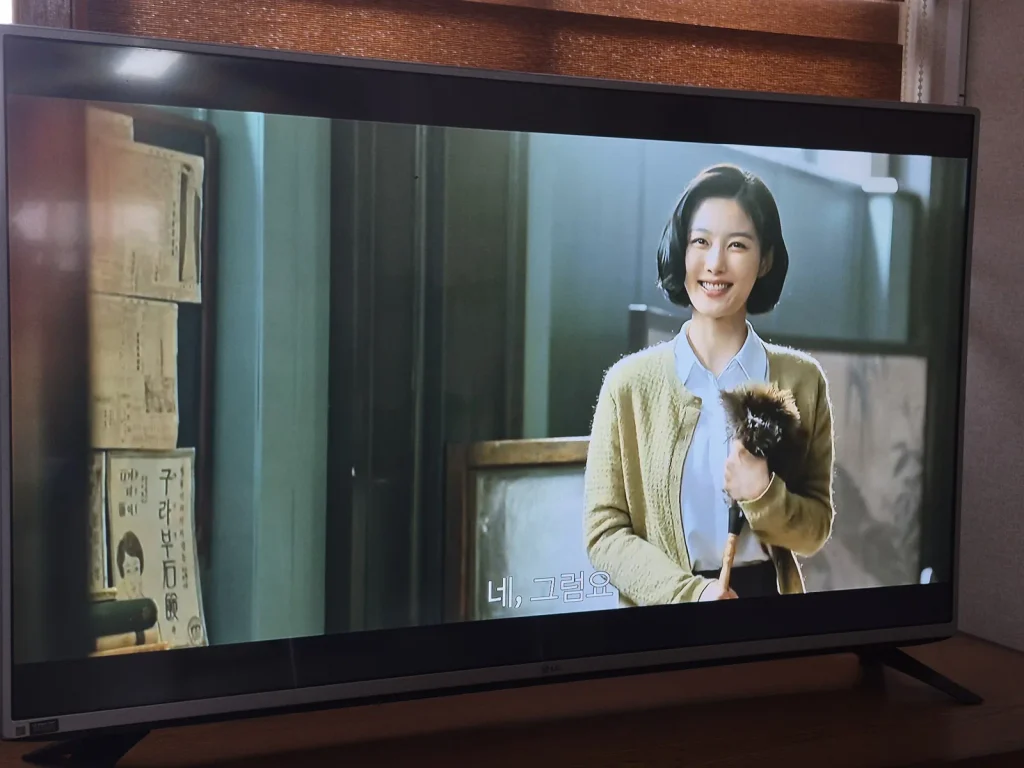
It is important to remember that not everything shown in a historical drama is necessarily a historical fact.
But I think a good drama can inspire people to become curious about real history.
That is one of the things I appreciate about this series.
My Thoughts After Four Episodes
I’ve only watched four episodes, so I don’t know where the story will go from here.
I enjoy Kim You-jung’s performance, and I’m also glad to see Jin Sun-kyu in the cast.
I’m curious about how the relationship between Ga-gyeong and Tae-woong will develop.
But what has stayed with me most is the thought of those young independence activists.
They lived in a very different time from ours, facing dangers that are difficult for me to imagine.
Their courage is something I don’t want to take for granted.
I started watching 100 Days of Deception simply because I wanted something interesting to enjoy on Netflix.
Instead, I found myself thinking about the people who helped shape Korea’s history.
As the weather gets colder, I expect I’ll spend more quiet evenings at home in rural Korea, watching dramas.
And sometimes, a drama can leave me with something much more meaningful than entertainment.
For now, 100 Days of Deception is one of those stories.